
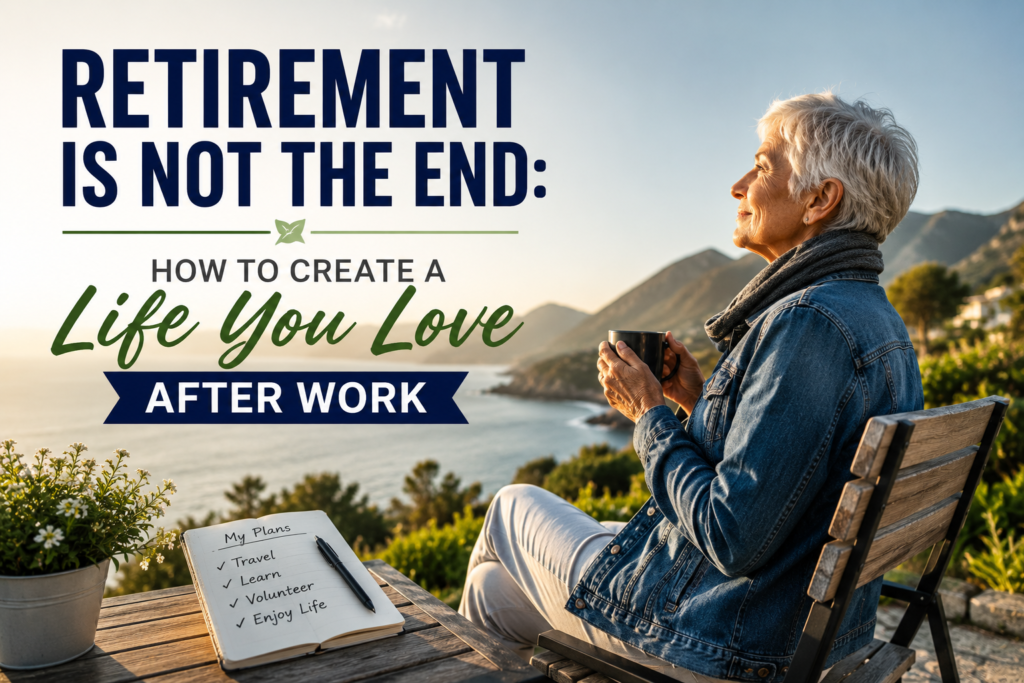
Retirement Is a New Beginning, Not a Final Chapter
Retirement isn’t about stopping—it’s about starting a new chapter. Discover how to build a meaningful, active, and rewarding life after work through purpose, hobbies, learning, relationships, and personal growth.
Retirement is often painted as the golden chapter of life to relax, unwind, and enjoy the fruits of decades of hard work. But for many, the reality of retirement feels far from idyllic. Instead of days filled with joy and fulfilment, some retirees find themselves staring at the clock, wondering how to fill the hours. The truth is retirement can be boring—but it doesn’t have to be.
The idea that retirement is boring stems from a misunderstanding of what it means to retire truly. For decades, our lives have been structured around work, routines, and responsibilities. We wake up early, commute, tackle tasks, and interact with colleagues. When that structure disappears, it’s easy to feel adrift. The sudden absence of purpose and routine can leave retirees feeling unmoored, leading to boredom and even a sense of loss.
But retirement is not the end of life’s journey.
In fact, it can be the beginning of one of the most rewarding and meaningful phases of your life.
The problem is that many people spend years planning for retirement financially but very little time preparing for what comes after work. Once the excitement of freedom wears off, some retirees find themselves asking an unexpected question:
“What do I do now?”
The answer is simple: create a life that excites you just as much as your career once did.
Retirement is not about stopping. It is about choosing how you want to spend your time, energy, and talents.
Why Retirement Can Feel Challenging
Most people build their lives around work.
A career provides structure, purpose, social interaction, and a sense of achievement. When that disappears, it can leave a gap that money alone cannot fill.
Common challenges retirees face include:
- Loss of daily routine
- Feeling less productive
- Social isolation
- Lack of clear goals
- Difficulty adjusting to extra free time
- Deteriorating physical health
These feelings are normal. They do not mean retirement was a mistake. They simply mean that a new chapter requires a new direction.
The key is to replace what work provides with activities that bring purpose, connection, and fulfillment. retirement is a blank canvas, waiting for you to paint it with new experiences, passions, and connections.it is only depends on you that how you paint this canvas. Here are some ways to break free from boredom and rediscover purpose
Redefine What Success Means
During your working years, success may have been measured by promotions, income, achievements, or professional recognition.
Retirement allows you to redefine success on your own terms.
Ask yourself:
- What activities make me feel alive?
- What have I always wanted to learn?
- How do I want to spend my days?
- What kind of impact do I want to have on others?
- What experiences matter most to me?
Your answers may be very different from the goals you had twenty years ago—and that’s perfectly okay.
Success in retirement might mean spending more time with family, exploring new hobbies, traveling, helping others, or simply enjoying a slower, more intentional life.
Create a Meaningful Daily Routine
Freedom is wonderful, but too much unstructured time can lead to boredom.
A simple routine provides direction without making life feel restrictive.
Consider including:
Physical Activity
Regular exercise improves energy, mobility, and overall health.
Whether it’s walking, yoga, cycling, swimming, or gardening, staying active can significantly improve your quality of life.
Mental Stimulation
Keep your mind engaged by reading, learning new skills, solving puzzles, or taking online courses.
Learning doesn’t stop when work ends.
Social Connections
Make time for friends, family, community groups, or volunteer organizations.
Strong relationships are one of the biggest contributors to happiness in later life.
Personal Projects
Give yourself something meaningful to work toward. It could be writing a book, building a garden, starting a small business, or mastering a new skill.
Having goals keeps life exciting.
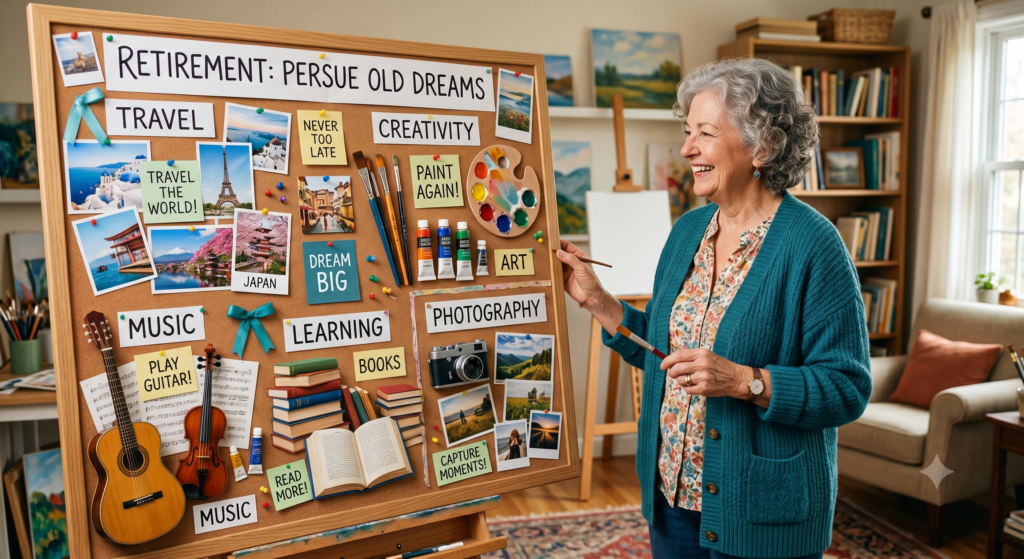
Pursue the Dreams You Put on Hold
Many people spend decades saying:
- “I’ll do it when I retire.”
- “I don’t have time right now.”
- “Maybe someday.”
Retirement finally allows you to turn those dreams into reality.
Perhaps you’ve always wanted to:
- Travel to new places
- Learn a musical instrument
- Paint or write
- Start a blog
- Volunteer for a cause you care about
- Learn a new language
- Mentor younger people
There is no age limit on growth, creativity, or achievement.
The dream you postponed for years might become the most rewarding part of your retirement.
Stay Connected to a Sense of Purpose
Research consistently shows that people who feel a sense of purpose tend to be happier and more satisfied with life.
Purpose doesn’t have to come from a paycheck.
It can come from:
- Helping family members
- Supporting community projects
- Volunteering
- Teaching others
- Sharing knowledge and experience
- Creating something meaningful
Your career may have ended, but your ability to contribute has not.
The wisdom and experience you’ve gained over the years can become a valuable gift to others.
Consider a Second Career or Passion Project
Retirement does not necessarily mean never working again.
Many retirees discover that they enjoy working when they have complete freedom to choose how and when they do it.
Options include:
- Freelancing
- Consulting
- Part-time work
- Teaching
- Coaching
- Small business ventures
- Online entrepreneurship
The goal is not necessarily to earn money—although that’s a bonus. The goal is to stay engaged, challenged, and connected to meaningful work.
When work becomes a choice instead of an obligation, it often becomes much more enjoyable.
Invest in Your Health
Retirement gives you something many working people lack: time.
Use that time to prioritize your health.
Focus on:
- Nutritious eating
- Regular exercise
- Quality sleep
- Preventive healthcare
- Stress management
Good health provides the freedom to enjoy everything else retirement has to offer.
Think of health as one of the most important investments you can make during this stage of life.
Embrace Lifelong Learning
One of the greatest myths about aging is that learning belongs to the young.
In reality, curiosity can stay with us throughout life.
Learning new things:
- Keeps the brain active
- Builds confidence
- Creates opportunities to meet people
- Adds excitement to everyday life
Take classes, attend workshops, read books, watch educational content, or simply explore subjects that interest you.
Every new skill proves that growth never truly stops.
Focus on Experiences, Not Just Possessions
Many retirees discover that happiness comes less from acquiring things and more from creating memories.
Meaningful experiences often bring lasting satisfaction.
Consider spending your time and resources on:
- Family gatherings
- Travel experiences
- Community involvement
- Learning opportunities
- Creative pursuits
- Shared adventures with loved ones
Years from now, you’ll likely remember the experiences far more vividly than the possessions.
Retirement is not the end of productivity, purpose, or personal growth. It is the beginning of a new phase where you finally have the freedom to design life according to your own values and interests.
The question is no longer, “What do I have to do today?”
The question becomes, “What do I want my life to look like now?”
That’s a powerful opportunity.
You spent years building a career. Now it’s time to build a life you truly love.
Retirement is not the closing chapter of your story—it is the start of an entirely new adventure.